
Blog

Your blog category

How to Lose Weight with PCOS Diet
Blog, PCOS

How to Lose Weight with PCOS Diet

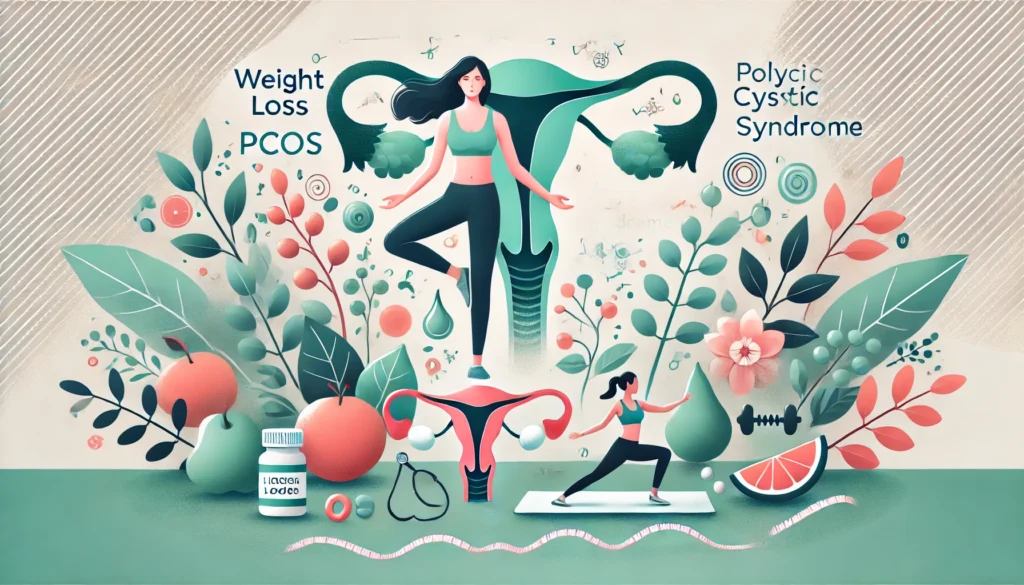
A PCOS diet tailored to your body’s needs can make all the difference in achieving weight loss and managing symptoms effectively. Weight loss with PCOS can feel like solving a puzzle, but the right diet acts as your ultimate cheat sheet. Let’s explore how to fuel your body while keeping your hormones in harmony. 1. Balance Your Macronutrients 2. Incorporate Low-Glycemic Index Foods 3. Eat Mindfully 4. Plan for Sustainability 5. Hydration and Supplements 6. Track Your Progress FAQs on How to Lose Weight with PCOS Diet Q: What is a PCOS-friendly eating plan? A: A PCOS-friendly eating plan focuses on managing insulin resistance, balancing hormones, and reducing inflammation. It includes high-protein, healthy fats, and low-GI foods. Q: Are cheat meals allowed on a PCOS-friendly diet? A: Yes, occasional indulgences can keep you motivated. Plan them wisely to avoid derailing your progress. Q: Should I avoid all carbohydrates? A: No, focus on complex carbohydrates like quinoa, oats, and sweet potatoes. Avoid refined and processed options. Q: How do low-glycemic index foods support PCOS weight management? A: Low-GI foods release sugar slowly, helping to manage insulin resistance and hormonal imbalances. Q: Can a tailored diet improve PCOS symptoms? A: Absolutely. A balanced eating approach can reduce symptoms like acne, irregular periods, and fatigue. Q: How quickly can I see results from a PCOS-optimized diet? A: Results vary, but you may notice improved energy and symptom relief within a few weeks. Q: Are dairy and gluten bad for individuals with PCOS? A: Some people find reducing dairy and gluten helps with inflammation and symptoms. Listen to your body and consult your doctor. Q: Can I follow a vegan or vegetarian PCOS-friendly diet? A: Yes, plant-based proteins like lentils, tofu, and tempeh are excellent choices. Ensure you’re meeting nutrient needs. Q: How do I prevent overeating while managing PCOS? A: Practice mindful eating, control portions, and plan balanced meals to avoid unnecessary snacking. A PCOS-friendly eating plan is not just about weight loss; it’s about empowering your body to thrive. Take small steps, stay consistent, and remember: progress is a journey, not a race. You’ve got this!

Blog, PCOS

How to Lose Weight During PCOS

Losing weight during PCOS may seem daunting, but with a targeted approach to diet, exercise, and self-care, you can achieve sustainable results. Polycystic Ovary Syndrome (PCOS) often turns weight loss into a rollercoaster ride. But the good news? You’re the one holding the controls. With the right strategies, you can outsmart the hormonal hurdles and shed those extra pounds. 1. Build a PCOS-Friendly Diet 2. Move Your Body: Find Joy in Exercise 3. Embrace Lifestyle Changes 4. Track Your Progress Without Obsessing FAQs on How to lose weight during PCOS Q: Can I lose weight with PCOS without exercise? A: While exercise boosts metabolism and improves insulin sensitivity, diet plays a crucial role. Pairing both yields the best results. Q: What should I avoid eating during PCOS? A: Avoid sugary drinks, processed snacks, and refined carbs like white bread. These can trigger insulin spikes and worsen symptoms. Q: How does sleep affect weight loss with PCOS? A: Lack of sleep increases cortisol levels, which can lead to weight gain. Proper rest is essential for hormonal health and recovery. Q: Are cheat meals allowed? A: Yes, in moderation. A planned indulgence can help you stay on track without feeling deprived. Q: What is the best type of exercise for PCOS? A: A combination of strength training, cardio, and yoga is ideal. Each targets different aspects of PCOS, from metabolism to stress relief. Q: Can weight loss cure PCOS? A: While weight loss can significantly reduce symptoms and improve hormonal balance, PCOS doesn’t have a cure. Managing symptoms is the primary goal. Q: Is intermittent fasting suitable for PCOS? A: It can be beneficial for some, as it helps with insulin resistance. However, consult with a healthcare provider to ensure it’s safe and effective for you. Q: How much weight should I aim to lose with PCOS? A: Even a 5-10% reduction in body weight can improve symptoms and overall health. Set realistic, sustainable goals. Q: Should I take supplements for PCOS-related weight loss? A: Some supplements like inositol, vitamin D, and omega-3s may help. Always consult your doctor before starting any supplements. Tackling weight loss during PCOS may take time, but each small step brings you closer to your goal. Remember, progress isn’t linear, but persistence pays off. Keep going—you’ve got this!

doctor visit
Blog, PCOS

How to Lose Weight with Thyroid and PCOS

Managing weight with thyroid issues and PCOS is challenging but not impossible. A mix of the right diet, exercise, and a good mindset can help you take control. Losing weight when you have thyroid issues and PCOS can feel like an uphill battle with gravity working overtime. But don’t worry, it’s not a lost cause. With some determination and strategy, you can start seeing results. Let’s break it down step-by-step. 1. Choose correct Nutrition to to lose weight with Thyroid and PCOS 2. Exercise to lose weight with Thyroid and PCOS Problems 3. Manage Stress: Keep Your Hormones in Check Stress can wreak havoc on your body, especially when dealing with thyroid and PCOS. Try these stress-reducing activities: 4. Monitor and Adjust: Stay on Track FAQs for loosing Weight with Thyroid and PCOS Q: Can I lose weight with PCOS and thyroid issues without medication? A: It’s possible, but medications like levothyroxine for thyroid or metformin for PCOS can help balance hormones, making weight loss easier. Always consult your doctor. Q: What foods should I avoid with thyroid and PCOS? A: Steer clear of sugary drinks, processed snacks, and foods with high glycemic index (like white bread and pastries). For thyroid health, avoid excess soy and raw cruciferous vegetables like broccoli. Q: How long will it take to see results? A: Patience is key. With consistent effort, you might see changes in a few weeks, but substantial results can take months. The goal is sustainable progress, not quick fixes. Q: Can exercise alone help me lose weight? A: Exercise is crucial, but pairing it with a balanced diet is more effective. The combo helps regulate insulin and other hormones affected by PCOS and thyroid issues. Stay consistent, stay patient, and remember: you’re not just working on your weight; you’re working on your overall well-being. And that’s something worth celebrating every step of the way!

Scroll to Top